What a Design-Build Basement Renovation in Toronto Includes
Home Renovation Toronto is a licensed and insured general contractor that has delivered full-service basement renovations across Toronto and the Greater Toronto Area since 1996, with more than 2,000 renovation projects completed. A basement renovation turns the most underused level of your home into real, comfortable living space - a family room, a home office, a guest suite, or a code-compliant legal basement apartment. As a design-build firm, we handle the whole job under one roof: the moisture control, any structural work, the framing and systems, and the finishes, all on one fixed price.
A finished basement adds genuine living space and value to your home, but only when it is done right. The difference between a basement that lasts and one that fails is the work below the surface - the waterproofing, the drainage, and, where ceiling height is tight, the underpinning. We finish basements, increase ceiling height through underpinning or bench footing, and build legal basement apartments in detached homes, semis, bungalows, and backsplits across Toronto and the GTA.
Below-grade work is exactly where renovations tend to run over budget, because digging uncovers surprises. That is why our fixed-price approach is so valuable here. We scope the moisture control and structural work during pre-construction and price it precisely, so the budget holds from the first day to the last.
What’s Included
A basement renovation with us covers design, permits where required, interior or exterior waterproofing, sump pumps and backwater valves, any underpinning or bench footing, framing, insulation, electrical and plumbing, finishes, and final clean-up.
Damp, Dark, or Cramped? The Problems We Fix Below Grade
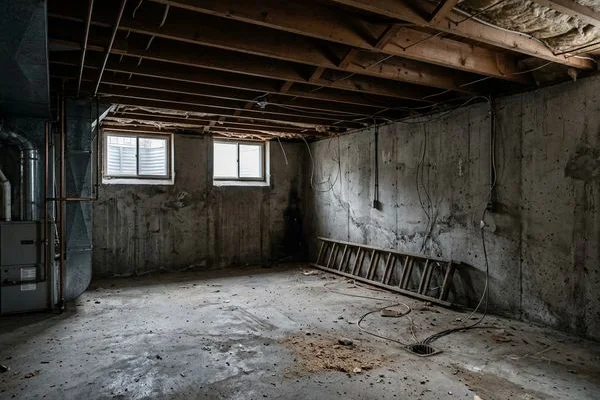
Wasted, Unfinished Space
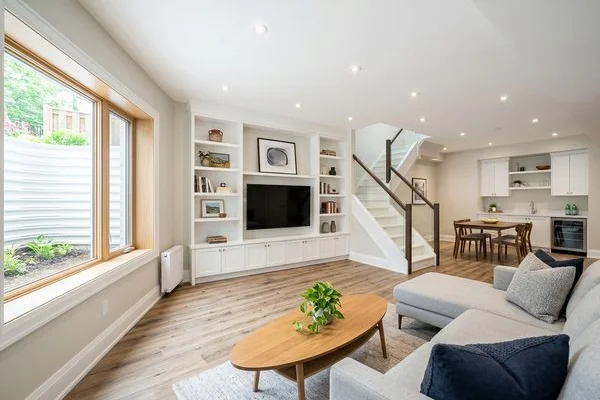
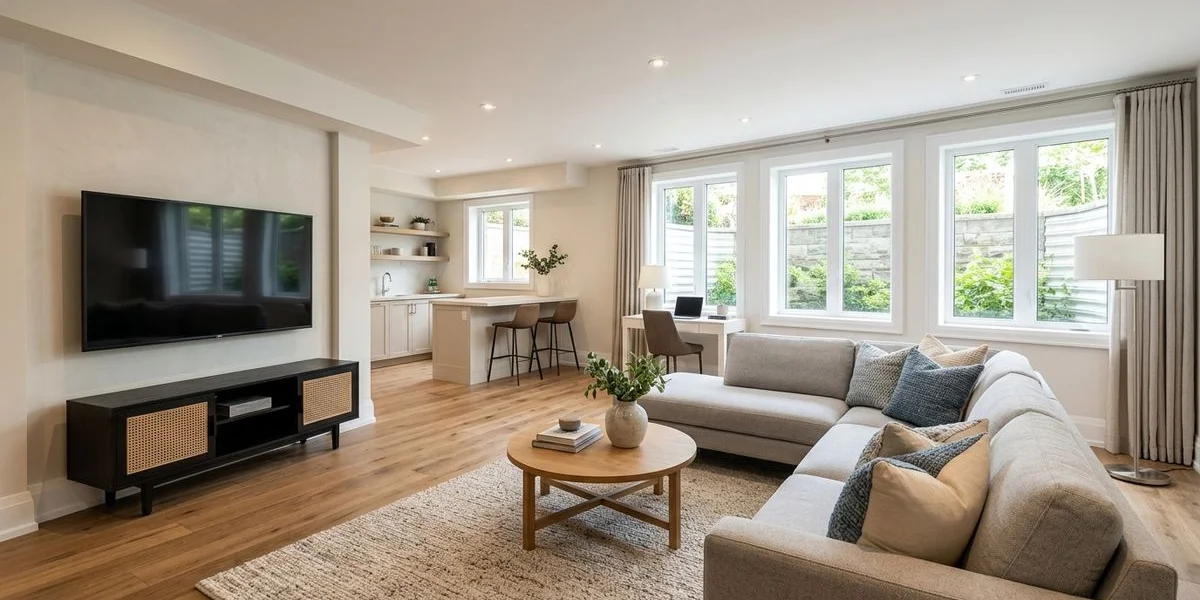
An unfinished basement is often a third of your home doing nothing. We design it into usable living space tailored to your family - a rec room, a home office, a laundry room with proper drainage, or a guest bedroom - and, where the layout allows, into income or in-law space.
Low Ceilings
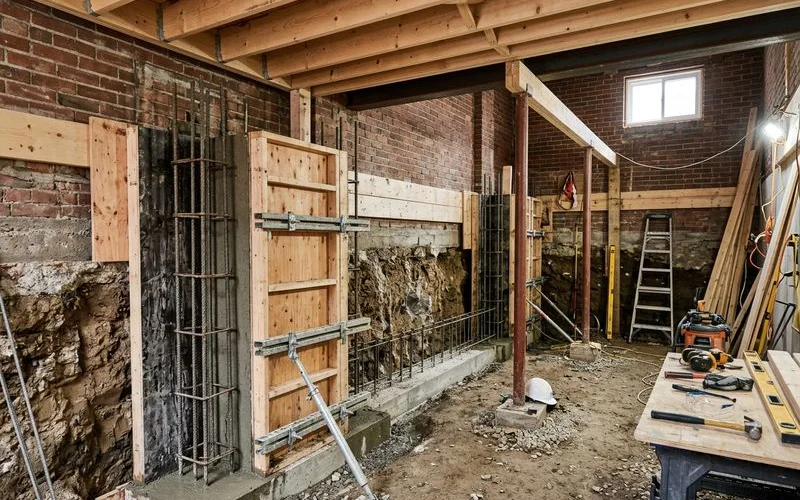
Many older Toronto basements feel cramped because of low headroom. Underpinning and bench footing lower the floor to gain real ceiling height, transforming how the space feels.
Moisture and Dampness
A damp basement cannot become living space until the water problem is solved. We address waterproofing, drainage, sump pumps, and backwater valves before any finishing work, so the finished room stays dry.
Wanting a Legal Rental or In-Law Suite
A code-compliant basement apartment needs proper egress, fire separation, ceiling height, and permits - details that, done wrong, make a suite illegal. We build legal secondary suites correctly the first time.
How We Lock the Price Before Digging Starts
We begin with an honest assessment of moisture, ceiling height, and structure. From there we design the layout around your goals, scope the below-grade work, and lock in the fixed price. Because the unpredictable parts of a basement project are settled before construction starts, your renovation stays on budget and on schedule. The same process applies whether the house is a post-war bungalow in Scarborough, a semi in East York, or a newer detached home in Richmond Hill or Mississauga.
How We Compare
| Feature | Typical Provider | Home Renovation Toronto |
|---|---|---|
| Pricing model | Estimate with allowances that can grow mid-project | Fixed-price quote with no allowances |
| Below-grade surprises | Priced as change orders once digging starts | Scoped and priced during pre-construction |
| Permits | Often left to the homeowner | City of Toronto permits filed and closed by our team |
| Crew | Rotating subcontractors | One dedicated crew from framing to final inspection |
| Warranty response | No stated timeframe | 2 business days on every claim |
| Track record | Varies | Since 1996, 2,000+ projects completed |
Basement Renovation Cost in Toronto (2026 Prices)
Basement renovations in Toronto vary based on size, finish level, and structural requirements. Local codes, foundation conditions, and accessibility also influence cost, along with design choices such as legal suite features or luxury finishes.
What Drives the Average Cost?
The average basement renovation cost in Toronto generally falls between $35,000 and $65,000 for standard projects in 2026, while high-end or complex jobs can exceed $100,000. Costs vary by neighbourhood - older bungalow stock in Scarborough, Etobicoke, and North York tends to need more structural work than newer semi-detached homes in Vaughan or Markham. The biggest cost drivers include the purpose of the space, required structural changes, plumbing or electrical upgrades, and finish materials.
Creating a legal secondary suite often increases the cost because of additional requirements for plumbing, kitchen installation, soundproofing, and egress compliance. Adding egress windows, fire-rated drywall, and independent HVAC zoning improves safety and rental eligibility.
Structural work - such as underpinning to gain ceiling height or bench footing where lowering isn’t viable - can represent a significant portion of the total. Waterproofing systems like weeping tile, backwater valves, and spray foam insulation protect the space long term and comply with municipal standards.
Our fixed-price model locks in a written quote before demolition begins. This eliminates mid-project markups and ensures complete transparency with our clients.
What Does It Cost Per Square Foot?
Typical basement renovation cost per square foot in Toronto ranges from $70 to $200, depending on the design scope and technical requirements. Entry-level finishes occupy the lower end of this range, while legal suites, underpinning, and premium upgrades sit higher.
Projects with subfloor panels and integrated moisture membranes cost more than basic concrete refinishing but improve comfort and longevity. Adding a bathroom, kitchenette, or extra bedroom each raises square-foot costs due to added plumbing and electrical requirements.
We manage all Toronto building permits on your behalf, coordinate our own licensed trades, and maintain a clean worksite daily. Because all trades are direct employees, consistency in workmanship remains high while eliminating subcontractor price gaps.
Basic Finish vs. Premium Upgrades
A basic basement finish with drywall, vinyl flooring, and simple lighting usually runs $35,000 to $50,000. It is best for homeowners seeking additional family or recreational space without structural modification. Finishes remain practical - painted drywall, LED pot lights, and budget-friendly fixtures.
By contrast, premium upgrades - including underpinning, a home theatre or basement sauna, Caesarstone quartz countertops, Kohler fixtures, high-end millwork, and custom cabinetry - raise costs to $80,000 to $150,000+, depending on layout and design elements. Legal suite conversions may also require fire-separation, sound attenuation, and energy-efficient upgrades such as spray foam insulation.
Popular basement design choices in 2026 include open-plan rec rooms with LVT flooring, dedicated home offices, wet bars, and brighter layouts built around larger egress windows and LED pot lights. Our team provides a detailed written timeline before starting and a single project manager from demo to final walkthrough. Clients receive a free basement renovation quote, weekly project updates, and a 2-business-day warranty response for any post-completion issue.
Legal Basement Apartments and Secondary Suites
We focus on creating functional, code-compliant spaces that add value and safety to every Toronto basement renovation. Careful layout planning, verified permit management, and disciplined execution ensure legal use and lasting durability.
Developing a Legal Basement Apartment
Building a legal basement apartment in Toronto begins with zoning review and space assessment. Each project requires adequate ceiling height, separate entry, and compliant fire and sound separations. We include a pre-construction walkthrough to document every room before demolition and avoid disputes later.
Permits represent a major step. We handle all filings and closeouts directly with city inspectors, ensuring full compliance with the Ontario Building Code. Each renovation receives a written timeline and fixed price before work begins, eliminating mid-project markups.
Key elements for conversion:
- Dedicated entrance and emergency egress windows
- Proper natural light and ventilation
- Fire-rated separation using fire-rating drywall
- Fully independent electrical and plumbing systems
A finished legal suite typically costs between $95,000 and $175,000 depending on finishes and layout complexity. Legal two-bedroom basement apartments in North York, Etobicoke, and Scarborough currently rent for $1,800 to $2,400 per month in 2026, making the investment case straightforward in most Toronto neighbourhoods.
Features of Legal Secondary Suites
A compliant legal secondary suite must function as a self-contained dwelling. It includes its own kitchen, full bathroom, and dedicated mechanical systems. To maintain comfort and energy efficiency, we install spray foam insulation and durable subfloor panels that keep moisture away from finished flooring.
Fire separation and safe exits remain priorities. Double layers of Type X drywall achieve the necessary fire-rating requirements, while interconnected smoke and CO alarms protect both units. Adequate headroom and unobstructed egress routes must meet local code standards.
Home Renovation Toronto’s in-house trades complete all framing, plumbing, and electrical work without outsourcing to random subcontractors. This consistency improves quality control and accountability, while clean-site practices protect floors and contain dust daily.
Toronto-Specific Legal Requirements
In Toronto, legalising a secondary suite requires compliance with municipal zoning, parking allowances, and Toronto Building permit procedures. We manage these by working directly with city plan examiners and ensuring all drawings meet submission standards.
Critical components for approval:
- Minimum ceiling height of 6 feet 5 inches (1.95m) throughout the suite
- Separate entrance and emergency egress on every bedroom
- ESA-inspected independent electrical panel
- Separate water meter or sub-metering where required
- Interconnected smoke and carbon monoxide detectors on all levels
The Home Renovation Toronto permit team manages city filings, code compliance, and inspection scheduling from permit application through final sign-off.
Underpinning, Bench Footings and Foundation Upgrades
We strengthen basement structures by stabilising foundations, improving floor height, and ensuring compliance with Toronto’s building codes. Our process addresses soil conditions, moisture risks, and long-term stability before any finish work begins.
How Much Does Underpinning Cost in Toronto?
Underpinning extends the existing foundation deeper into the ground to create more usable space and improve load-bearing capacity. In Toronto, this upgrade is often chosen to convert a low basement into a legal secondary suite or to gain ceiling height for modern living standards. Older bungalows in North York, Scarborough, and Etobicoke are the most common candidates - many were built in the 1950s and 1960s with ceilings under 6 feet.
Costs vary based on soil conditions, excavation depth, and foundation layout. In 2026, basement underpinning in Toronto typically ranges from $90 to $150 per square foot. This includes engineering plans, permits, and inspection fees, which are mandatory under the Ontario Building Code.
We oversee every detail from permit submissions to structural reinforcement using engineered concrete pins. During construction, we monitor settlement and test soil compaction. We also coordinate waterproofing systems such as weeping tiles and backwater valves, ensuring proper drainage protection after the foundation is lowered.
Bench Footings Considerations
Bench footing is an alternative to underpinning suited for projects with tighter budgets or when soil conditions make excavation risky. Instead of digging under foundation walls, we pour a new concrete bench inside the existing perimeter, maintaining structural stability while gaining partial height.
A bench footing design leaves a small ledge along basement walls, which many homeowners conceal with millwork or insulation panels. Though it offers less ceiling gain, its cost efficiency and reduced permitting requirements make it a practical choice for non-suite renovations.
When planning this option, we assess clearance for subfloor panels, spray foam insulation, and vapour barriers. This ensures code compliance and allows for moisture control comparable to a fully underpinned space. The decision often depends on budget, ceiling goals, and nearby infrastructure.
Structural Assessment Process
Before starting any structural upgrade, we perform a detailed structural assessment with licensed engineers. This process includes reviewing foundation integrity, soil composition, and the performance of load-bearing walls.
We document every area during our pre-construction walkthrough to prevent disputes and set clear baselines. Our engineers verify that planned modifications - whether underpinning or bench footing - do not compromise the home’s stability or neighbouring properties.
A typical evaluation covers foundation cracks, existing waterproofing, and mechanical layouts. Findings are summarised in a written report that guides both design and permit drawings submitted to the City of Toronto. This systematic approach allows us to provide fixed pricing, accurate project timelines, and confidence that structural upgrades meet or exceed all safety standards.
Keeping Toronto Basements Dry: Waterproofing That Lasts
Effective basement waterproofing begins with controlling water at the foundation level, sealing exterior and interior surfaces, and managing humidity within the finished space. We ensure every system - from drainage to insulation - works together to maintain a dry, durable environment that meets Toronto building standards.
Weeping Tile and Backwater Valves
A weeping tile system redirects groundwater away from the foundation. We install perforated drainage pipes at the footing level, surrounded by gravel and geotextile fabric to filter debris. When tied into a sump pump, this system prevents hydrostatic pressure from pushing water through cracks.
Older Toronto homes often lack functioning weeping tiles, which can lead to seepage during freeze-thaw cycles. Replacement costs generally range from $3 to $10 per square foot, depending on excavation depth and soil type.
Backwater valves provide additional protection. These one-way fittings stop sewage from flowing backward into the home during heavy rain. Toronto’s Basement Flooding Protection Subsidy Program offers rebates of up to $1,250 for installations completed by licensed plumbers. Adding both a new weeping tile and a backwater valve meets city flood-prevention requirements for legal secondary suites.
Spray Foam Insulation Benefits
In below-grade spaces, closed-cell spray foam insulation forms a continuous vapour barrier and thermal envelope that resists moisture infiltration. Unlike batt or rigid board, it adheres directly to concrete or masonry, minimising air leaks and condensation risk.
We apply it along foundation walls before framing or drywall. The dense structure adds structural rigidity and delivers an R-value near R-6 per inch, helping reduce heating costs during Toronto winters. This insulation type also meets fire-rating requirements when covered with Type X drywall, a key component in legal basement apartments. Combined with proper ventilation, spray foam contributes to balanced indoor humidity and a more comfortable living space year-round.
Subfloor Panels for Moisture Control
Even with effective waterproofing, basement floors remain vulnerable to ground vapour. We use engineered subfloor panels with built-in air gaps and moisture barriers to separate finished flooring from the concrete slab. These systems prevent mould growth and keep surface temperatures warm underfoot.
A typical panel features a polyethylene base that channels minor seepage toward a sump pump or floor drain. Installation is straightforward and minimises the risk of warped flooring over time. We select moisture-rated panels compatible with laminate, vinyl, or engineered hardwood, ensuring compliance with the Ontario Building Code’s durability requirements. When combined with drainage improvements, a proper subfloor enhances comfort, safety, and long-term performance in Toronto basements.
City of Toronto Permits, Fire Separation and Egress
Toronto requires homeowners to follow clear regulations to ensure basement renovations meet safety, zoning, and building code standards. Each stage - permits, fire separation, and egress design - affects not only legality but also how efficiently the project moves from planning to completion.
Do You Need a Permit to Finish a Basement?
In Toronto, most basement renovations require a building permit under the Ontario Building Code. Structural work, plumbing, and electrical changes always trigger the permit requirement. Converting a space into a legal secondary suite also requires adherence to zoning bylaws and licensing standards.
We manage the permit application and closure process for clients, filing drawings and coordinating inspections directly with the City of Toronto. A well-prepared permit package includes architectural drawings and site plans, proof of lot drainage and occupancy data, basement height measurements (minimum 1.95 m for suites), and fire-rated assembly details.
Our team handles every permit detail before demolition, locking in fixed pricing and a written timeline to prevent mid-project surprises.
Fire Separation and Egress Requirements
Fire safety and occupant escape routes form a key part of compliance for any lower-level renovation. Fire-rated drywall, spray foam insulation with approved thermal barriers, and fire-resistant doors are necessary to meet separation requirements between dwelling units.
Legal basement suites must include egress windows that satisfy code-mandated minimum openings. Current guidelines in Toronto require an opening at least 0.35 m2 (3.77 ft2) with no dimension smaller than 380 mm (15 in). Where exterior grade limits size, we use casement-style designs or window wells with ladders to maintain compliance.
Other systems enhance safety and water management: backwater valves protect against sewer backup, weeping tiles and subfloor panels prevent moisture buildup, and smoke and CO detectors are interconnected between units. Proper planning reduces inspection delays and supports smooth approval closure when the City revisits for final sign-off.
Renovation Timeline and Inspection Stages
Permit navigation directly affects the basement renovation timeline. Approvals typically take 2 to 4 weeks, though zoning variances heard by the Committee of Adjustment or legal secondary suites can extend this period. Our scheduling includes these processing windows from the start, updated weekly for transparency.
We follow a structured project flow: pre-construction walkthrough and documentation, permit application and review, excavation or underpinning and waterproofing, framing, insulation, and drywall, then final inspection and occupancy clearance. Thanks to our dedicated project manager and daily site-cleaning protocols, we minimise downtime between trades. By managing all permits and coordination internally, we keep renovations compliant, safe, and consistent with Toronto’s building regulations while maintaining predictable project durations.